African Woman in a Hat
First Impressions: Charm, Clarity, and Quiet Confidence
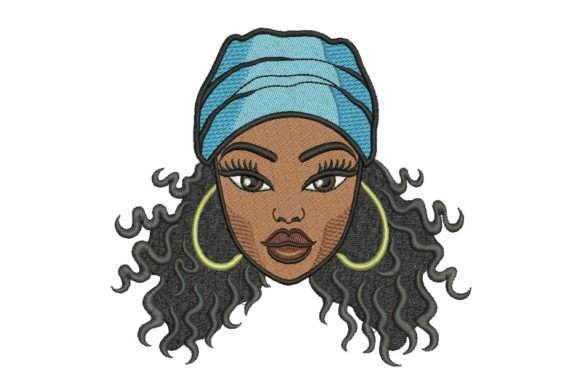
When I opened the African Woman in a Hat embroidery file for the first time, what struck me wasn’t just the subject—but the intention behind it. This isn’t a generic silhouette or stylized icon. It’s a portrait of a young African girl rendered with warmth and quiet dignity: soft facial features, expressive eyes, and a beautifully detailed hat that anchors the composition. The mood is sweet yet grounded—neither overly playful nor stiffly formal. It feels handmade, elegant, and timeless all at once. There’s no seasonal trend chasing here; this design leans into classic beauty and cultural resonance, making it ideal for customers seeking meaningful, non-generic personalization.
Where This Design Truly Shines
As an embroidery designer who’s shipped thousands of custom orders, I immediately saw how African Woman in a Hat could elevate everyday items into treasured keepsakes:
- Baby embroidery: Stitched on organic cotton swaddles or muslin blankets, it adds gentle cultural pride to nursery decor—ideal for adoptive families, multicultural households, or birth announcements.
- Wedding gifts: Embroidered on linen pillow covers or monogrammed handkerchiefs, it offers subtle elegance without floral clichés—especially appreciated by couples celebrating heritage or choosing nontraditional aesthetics.
- Personalized towels & kitchen linens: On flour-sack or waffle-weave towels, the portrait reads clearly at 4–5 inches tall—soft enough for gifting, bold enough for display.
- Nursery and wall art: When stitched onto stretched fabric panels or framed hoop art, it becomes a focal point that honors representation without relying on cartoonish tropes.
- Tote bags & aprons: Works beautifully on medium-weight canvas or denim—its balanced proportions avoid distortion even when stitched near seams or pockets.
- Etsy listings & craft fair products: As a digital embroidery file, African Woman in a Hat stands out in search results for “Black baby embroidery,” “cultural wedding gift,” or “meaningful handmade product.” Its emotional resonance translates directly to buyer engagement—and repeat customers.
Use With Thoughtful Intention
Not every surface is equal—and African Woman in a Hat deserves thoughtful placement. Avoid stitching it on:
- Ultra-thin or stretchy baby onesies (facial details may blur or pucker);
- Densely textured fabrics like heavy terry cloth or bouclé (delicate hat edges and hair lines risk being lost);
- Curved surfaces like mugs or curved tote handles (distortion affects proportion and expression);
- Dark fabrics without testing thread contrast—some lighter skin-tone threads may lack pop unless paired with matte or tonal metallics;
- Items requiring frequent high-heat washing (e.g., dish towels used daily), unless stitch density and stabilizer are verified for durability.
This isn’t a limitation—it’s a reminder that African Woman in a Hat is a portrait, not a motif. Its strength lies in clarity and presence, so treat it like fine line art: give it breathing room, clean fabric, and intentional context.
How It Builds Trust—and Turns Browsers Into Buyers
In my experience, customers don’t just buy embroidery—they buy meaning, care, and confidence. African Woman in a Hat delivers all three. When featured in a product photo on a cream linen pillow cover or a buttery-soft baby blanket, it signals attention to detail and cultural respect—not tokenism. That perception lifts perceived value instantly. Buyers scroll past generic florals; they pause, click, and save when they see authenticity rendered with craftsmanship.
For Etsy sellers and small shop owners, this design also simplifies storytelling. You don’t need to over-explain—it invites connection. A customer searching for “personalized Black baby gift” lands on your listing, sees African Woman in a Hat stitched cleanly on a mockup, and thinks: This was made for someone like me. That emotional alignment builds trust faster than any policy page.
Practical Embroidery Notes Before You Stitch
Before adding African Woman in a Hat to your production queue, run these checks:
- Test on scrap fabric matching your final product (e.g., terry cloth for towels, quilting cotton for blankets).
- Verify thread color contrast—especially for skin tones and hat trim—against both light and dark bases.
- Confirm hoop size compatibility with your machine and intended item (e.g., 4x4” works for small totes; 5x7” gives breathing room for finer detail).
- Review stitch density: Portraits require balanced fill and satin stitches—look for smooth gradients, not pixelated shading.
- Choose stabilizer wisely: Tear-away for stable wovens; cut-away for knits or lightweight linens; mesh for towels.
- Compare light/dark fabric mockups—a printable mockup saves time and reduces rework.
- Inspect small details post-stitch: Eyelashes, hat brim curves, and hair texture should read cleanly—not fuzzy or broken.
- Confirm commercial licensing before selling finished products. Since this is marketed as a machine embroidery design for personalized gift products, ensure your license covers resale of embroidered items—not just personal use.
If hoop size, file formats (PES, DST, JEF, etc.), or exact stitch count aren’t listed with the African Woman in a Hat download, reach out to the designer before bulk production. Clarity here prevents costly delays.
Final Thought: More Than a Design—A Quiet Statement
African Woman in a Hat belongs in the Beauty category not because it’s decorative, but because it affirms beauty as inclusive, specific, and deeply human. For baby product creators, wedding gift designers, and Etsy sellers building brands rooted in authenticity, this embroidery file isn’t just another asset—it’s a conversation starter, a gesture of recognition, and a quietly powerful way to say: You belong here. Your story matters. This gift was made with you in mind.