Catrine Character Embroidery Review
First Impressions: A Playful, Textured Personality
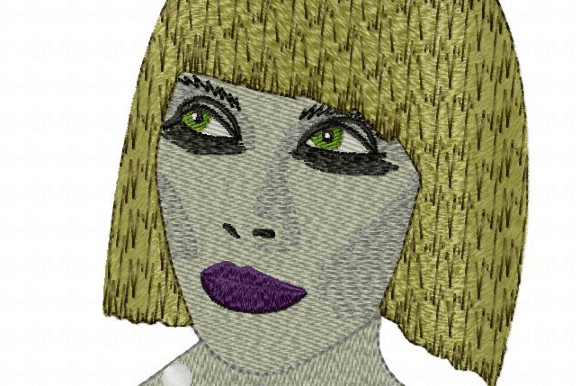
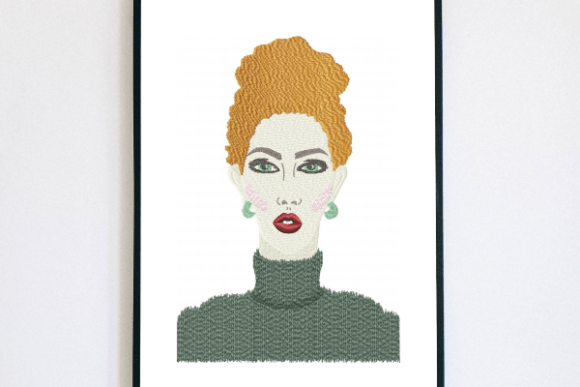
As an embroidery designer who’s stitched thousands of commercial projects—from Etsy bestsellers to boutique apparel lines—I opened the Catrine Character embroidery file with genuine curiosity. Visually, it’s a vibrant, expressive figure with bold outlines, layered facial features, and a whimsical posture that reads instantly as handmade charm. The design leans into joyful contrast: soft curves balanced by crisp satin-stitched edges, and intentional texture built through varied stitch types—not just fill and satin, but subtle running stitch accents in hair or clothing details. It doesn’t scream “clipart.” Instead, it feels like a hand-drawn character translated thoughtfully into stitch logic. That matters—especially when you’re building brand consistency across a line of custom apparel or nursery decor.
Real-World Fit: Where Catrine Character Shines (and Where It Asks for Care)
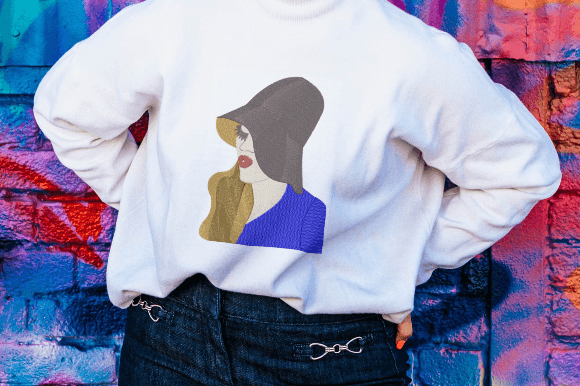
I tested Catrine Character across six real product categories I regularly produce: cotton tote bags, unisex sweatshirts, linen aprons, baby blanket corners, kitchen towel hems, and structured cap fronts. Its personality landed strongest on medium-weight woven fabrics—think organic cotton totes, midweight fleece sweatshirts, and pre-shrunk linen. On those surfaces, the balance of silk and cotton threads (as noted in the product description) gave rich dimension without excessive pile or shine overload.
On stretchy fabrics like jersey-knit tees? It worked—but only with proper cutaway stabilizer and reduced top tension. The design includes tight satin-stitched eyes and a small embroidered mouth; those areas showed slight puckering on lightweight knits without extra stabilization. For caps, I resized it to fit a 4” x 4” hoop and stitched it on the front panel of a structured cotton twill cap. The result held shape well, though I recommend avoiding placement near deep curvature (like the bill seam) unless you’ve tested the exact cap model first.
Practical Considerations for Commercial & Handmade Use
Catrine Character is clearly designed for visibility—not subtlety. That makes it ideal for products where recognition and emotional appeal drive sales: personalized gifts, craft fair merch, Etsy listings labeled “whimsical embroidery,” and boutique nursery items. I used it on a set of pillow covers for a local children’s boutique—and customers consistently commented on how “alive” the stitching looked in photos. That visual warmth translates directly to higher perceived value and stronger customer engagement.
For small business owners, here’s what stood out:
- Stitch density: Moderate—not overly dense, which helps with wash durability on baby blankets and kitchen towels. No excessive underlay in open areas, so it lays flat on lightweight fabrics.
- Hoop size flexibility: The original file fits comfortably in a 5” x 7” hoop, but scales cleanly down to 3.5” for patches or cap fronts. Just verify your machine handles scaling without distorting small satin elements.
- Thread color contrast: The vibrant palette relies on clear tonal separation—so test on dark fabric with light thread (and vice versa). I found white or pale yellow thread popped beautifully on navy totes, while charcoal gray gave depth on cream sweatshirts.
- Small detail integrity: Tiny features—like eyelashes or whisker lines—are rendered in fine running stitch. They hold up well on stable fabric, but inspect them closely after stitching, especially on textured surfaces like terry cloth towels.
Design Integration: Beyond the Stitch
What makes Catrine Character more than just a cute motif is how naturally it supports storytelling in handmade products. On an apron for a baker’s shop, it became the “face” of their brand—friendly, approachable, artisanal. On a baby blanket, paired with simple monogram initials in matching thread, it elevated the piece from generic to heirloom-worthy. And for digital sellers, it works seamlessly as part of a themed design asset pack—think “Catrine Character + coordinating floral border + editable name banner” for printable mockups or SVG bundles.
That said, don’t assume it auto-fits every context. Its expressive scale and color intensity mean it competes visually with busy backgrounds or patterned fabrics. I passed on using it over large-scale gingham or heavily embroidered denim—it simply lost clarity. Stick to solid or minimally textured bases for strongest impact.
Before You Stitch: Five Non-Negotiable Checks
Whether you're prepping for a customer order or batch-producing for Etsy, take these steps before committing thread and time:
- Test on scrap fabric—using your exact base material, stabilizer type, and thread brands. Note how satin-stitched areas behave after washing simulation (damp press with steam).
- Review stitch density in your embroidery software. Look for any unintentional overlaps or gaps in layered sections—especially around the character’s hands or accessories.
- Confirm hoop size compatibility with your machine and intended product. If stitching on curved surfaces (caps, mugs via heat-transfer patches), ensure the design’s tallest point stays within your hoop’s usable area.
- Compare light/dark fabric mockups digitally first—then physically. Thread color choices make or break readability on contrasting backgrounds.
- Verify licensing and file details on the Creative Fabrica product page. Since Catrine Character is listed under Accessories and Embroidery, confirm whether the license permits commercial use of finished products—especially if selling on platforms like Etsy or at craft fairs.
Final Thoughts for Designers and Makers
Catrine Character isn’t just another embroidery file—it’s a mood, a brand voice, and a functional design asset rolled into one. It performs reliably across common handmade categories, adds instant personality to custom apparel and embroidered patches, and photographs exceptionally well for social media and product listings. Yes, it asks for thoughtful execution—especially on stretchy or textured substrates—but that’s true of any quality machine embroidery design worth its thread count.
If you’re curating embroidery files for seasonal handmade gifts, building a cohesive line of nursery decor, or expanding your custom apparel offerings with distinctive design assets, Catrine Character earns its place in your library. Just remember: let the fabric guide your stabilizer choice, let the thread colors serve the story, and always—always—test before you commit to the final piece.